How to Choose a Wedding Photographer in Kolkata
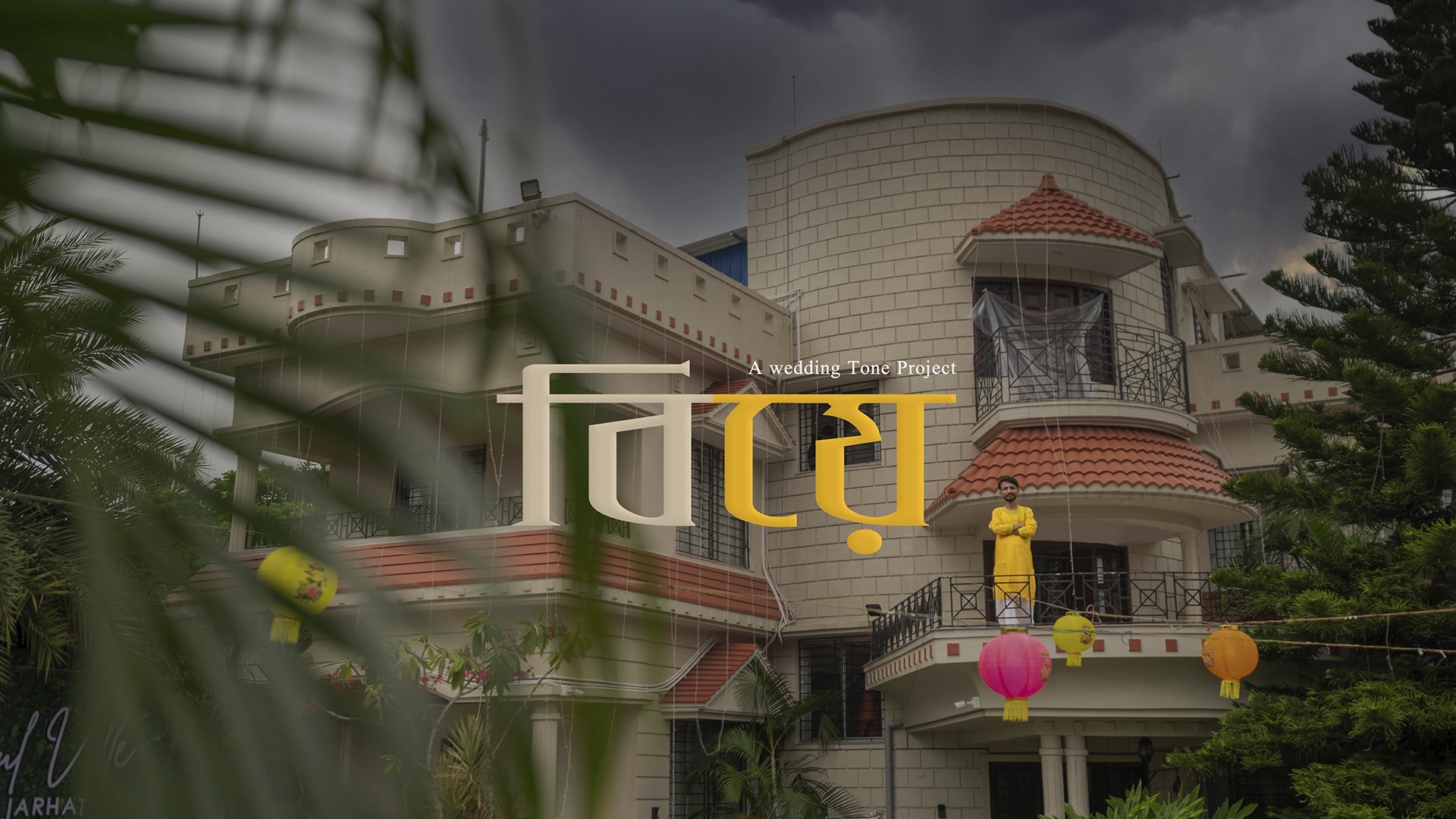
To choose a wedding photographer in Kolkata: define your coverage hours and event list first, shortlist five to eight photographers whose complete galleries you genuinely like, meet the person who will actually hold the camera, and get overtime rates, travel terms, and delivery timelines in writing.
Book 6–9 months ahead for November–February weddings. Expect ₹60,000–₹1,20,000 for a solid mid-range studio and ₹1,50,000–₹3,00,000 for a premium two-photographer team. Judge photographers by complete galleries, not Instagram feeds.
- Complete galleries beat highlights. Always ask for two or three full weddings.
- Meet the actual photographer. Some studios send associates.
- Book 6–9 months ahead for winter dates in Kolkata.
- Confirm Bengali ritual experience — Sindoor Daan, Saat Paak, Subho Drishti.
- Get overtime, travel, and delivery terms in writing.
- Ask about backup equipment and a replacement photographer.
- Match the photographer to your wedding, not to a trend.
Table of Contents
- 1. The Short Answer
- 2. What Actually Matters
- 3. What Doesn't Matter
- 4. The Kolkata Market Reality
- 5. Step 1 — Define Coverage Before You Shop
- 6. Step 2 — Review Complete Galleries
- 7. Step 3 — The Bengali Wedding Test
- 8. Step 4 — Meet the Person Holding the Camera
- 9. Step 5 — The 12 Questions That Reveal Everything
- 10. Step 6 — Read the Contract, Not the Brochure
- 11. Red Flags
- 12. Green Flags
- 13. What Wedding Photography Costs in Kolkata
- 14. Photo and Video — One Team or Two?
- 15. The Style Question
- 16. Delivery, Albums and Digital Files
- 17. Backups and Contingency
- 18. The Family Factor
- 19. When to Book
- 20. The Comparison Scorecard
- 21. The One Question Most Couples Forget
- 22. A Final Reflection
Part One: The Short Answer
How do you choose a wedding photographer in Kolkata?
You choose the person, not the package. You choose based on complete galleries, not highlight reels. And you choose after asking questions that most couples never think to ask.
That's the short version. Everything below is how to actually do it.
Because here's the uncomfortable truth: most couples in Kolkata spend more time choosing a caterer than choosing the person who will preserve the only permanent record of their wedding day.
The food is eaten in an hour. The photographs are looked at for fifty years.
So let's treat this decision with the weight it deserves — without turning it into a month-long research project.
Part Two: What Actually Matters
Before we talk about what to ignore, let's establish what genuinely predicts a good outcome.
| What Matters | Why It Matters |
|---|---|
| Complete galleries | Highlights hide weaknesses. Full weddings reveal consistency. |
| The actual photographer | You are hiring a person, not a brand name. |
| Bengali ritual experience | Anticipation beats reaction. They must know what happens next. |
| Written contract | Everything not in writing is a future argument. |
| Backup equipment and people | Cameras fail. People fall ill. Weddings don't reschedule. |
| Delivery timeline | Some studios take 9–12 months. Know before you sign. |
| Communication quality | If they're slow to reply before booking, imagine after. |
Part Three: What Doesn't Matter
Now the other half. These things feel important. Most of them aren't.
The camera they use. A ₹6 lakh camera in the wrong hands produces worse images than a ₹60,000 camera in the right ones. Ask about the photographer, not the gear.
The number of Instagram followers. Followers can be bought. Galleries cannot be faked as easily.
The size of the studio. A large studio may send an associate to your wedding. A solo photographer will be there personally. Both can be excellent — but they are different products.
The trendiest editing style. Heavy orange-and-teal grading looks dated within three years. Natural, well-crafted colour lasts decades.
The awards wall. Some awards are genuinely competitive. Others are pay-to-enter. Ask what the award was for.
The lowest quote. A price 50% below the market means something was cut. Usually it's the second photographer, the backup equipment, or the editing time.
Part Four: The Kolkata Market Reality
Kolkata's wedding photography market has three broad tiers, and they behave very differently.
Tier 1 — Individual photographers and small teams. Often excellent value. Usually one or two people, personally invested, competitively priced. Risk: limited backup if they fall ill, and sometimes slower delivery.
Tier 2 — Established mid-size studios. Multiple teams, proper contracts, reliable delivery. Risk: the person whose portfolio you loved may not be the person who shows up.
Tier 3 — Premium and luxury studios. Full-day multi-photographer coverage, elaborate albums, high-touch service. Risk: you may be paying for packaging rather than for better photographs. Ask to see complete galleries from this tier too.
None of these tiers is inherently better. The right tier depends on your wedding's scale, your budget, and how much personal attention you want.
What matters is that you know which tier you're shopping in — and that you compare like with like.
Part Five: Step 1 — Define Coverage Before You Shop
Most couples start by browsing photographers. This is backwards.
If you don't know what you need, every quote looks either too expensive or suspiciously cheap, and you have no basis for comparison.
Before you contact anyone, write down:
- Every event you want covered, with dates
- Realistic start and end times for each
- Whether you want getting-ready coverage
- Whether you want the full reception
- Whether you want photo and video
- Your total budget, and your stretch budget
Then total up the hours. That number is your brief.
When you contact photographers, you're not asking "what do you charge?" You're asking: "Here is my timeline. Here is what I need. What would you recommend, and what would it cost?"
Photographers respond very differently to a couple with a clear brief. The ones who engage seriously with your timeline are the ones worth shortlisting.
If you're unsure how many hours you need, we've written a separate breakdown of wedding photography coverage hours with hour-by-hour timelines.
Part Six: Step 2 — Review Complete Galleries, Not Highlights
This is the single most important step, and the one most couples skip.
Ask to see two or three complete wedding galleries — from the first frame of getting-ready to the last frame of the reception.
Here's what a complete gallery reveals that highlights never will:
| What to Check | What It Reveals |
|---|---|
| Mixed lighting in banquet halls | Whether they can handle tungsten, LED and flash together |
| Family portraits | Whether groups look relaxed or stiff and irritated |
| The middle of the ceremony | Whether coverage holds up when nothing dramatic is happening |
| Consistency across the day | Whether the editing is uniform or wildly variable |
| Crowded moments | Whether they can find clean compositions in chaos |
| The last hour of the reception | Whether they were still working or had mentally checked out |
| Venues similar to yours | Whether they've solved your specific lighting problems before |
If a photographer hesitates to show a complete gallery, that is your answer. Every professional has full weddings they can share. The only reason to refuse is that the full wedding doesn't match the highlights.
"A couple booked a photographer whose Instagram was exceptional. At the wedding, the family portraits were rushed and poorly lit, and the reception coverage was thin. When they later asked to see a complete gallery from another wedding, they realised the portfolio had been curated from a single spectacular venue — a five-star hotel with perfect natural light — and none of it was representative. One request for a full gallery would have changed their decision."
Part Seven: Step 3 — The Bengali Wedding Test
Kolkata weddings are not generic weddings. They have a specific rhythm, and a photographer who doesn't know it will miss things.
Ask directly: How many Bengali weddings have you photographed?
Then ask these follow-ups. The answers will tell you whether they actually know the terrain:
- Do you know when Sindoor Daan happens, and where the key family members stand?
- Have you covered Saat Paak? Where do you position yourself?
- Do you know what Subho Drishti is and when it occurs?
- How do you handle the moment the bride leaves for Bidaai?
- Do you know the difference between Gaye Holud on the bride's side and the groom's side?
A photographer who has shot Bengali weddings will answer these instantly and specifically. One who hasn't will give you general answers about "capturing emotions."
Why this matters: Bengali rituals are layered and fast-moving. Sindoor Daan can take 45 minutes with multiple family members participating. If the photographer doesn't know it's coming, they'll be in the wrong position and miss the most important frame of the day.
Anticipation is the difference between a good photograph and a great one.
Part Eight: Step 4 — Meet the Person Holding the Camera
In a mid-size or large studio, the portfolio you fell in love with may belong to the founder. The person who arrives at your wedding may be an associate who has never shot a Bengali wedding.
Ask this question in writing: "Who will be the lead photographer at my wedding, and can I see a complete gallery from a wedding they personally photographed?"
This single question filters out most of the risk.
If you're working with a solo photographer, this is simpler — but still confirm they'll be the one attending, not a substitute.
Also ask: Will the same person edit the photographs? In many studios, shooting and editing are separate teams. That's fine, but the editing team should know your preferences.
And finally: do you actually like them?
You'll spend 12 to 16 hours with this person on one of the most emotionally intense days of your life. They'll be in the room while you're getting ready, standing near you during the ceremony, and directing your family during portraits.
If you find them irritating in a 30-minute meeting, imagine 14 hours.
Part Nine: Step 5 — The 12 Questions That Reveal Everything
Ask these twelve questions. The answers will tell you more than any portfolio.
| # | Question | What You're Really Asking |
|---|---|---|
| 1 | Can I see two complete wedding galleries? | Are you consistent, or just well-curated? |
| 2 | Who will photograph my wedding personally? | Am I hiring you, or a stranger? |
| 3 | How many Bengali weddings have you shot? | Will you anticipate the rituals? |
| 4 | What is your backup plan for equipment failure? | Do you have redundancy, or one camera and hope? |
| 5 | What happens if you fall ill on my wedding day? | Is there a named replacement photographer? |
| 6 | What is your overtime rate? | What happens when the wedding runs late? |
| 7 | Does travel between venues count toward my hours? | Could 2 hours of Kolkata traffic eat my coverage? |
| 8 | How many edited images will I receive? | Is "unlimited" real, or a marketing word? |
| 9 | What is your delivery timeline? | 3 months or 12 months? |
| 10 | Do I get the full-resolution digital files? | Or am I renting my own photographs? |
| 11 | How do you handle a difficult family member during portraits? | Will they add stress or remove it? |
| 12 | What is your payment schedule and cancellation policy? | What happens if plans change? |
Ask these in person or over a call. The way they answer matters as much as the answer. A photographer who is vague, defensive, or dismissive on any of these is showing you how they'll behave when something goes wrong on the day.
Part Ten: Step 6 — Read the Contract, Not the Brochure
The brochure is marketing. The contract is the actual agreement.
Before you pay any advance, confirm these are in writing:
- Names of the photographers attending
- Exact coverage hours and start time
- Whether travel and setup count toward hours
- Overtime rate, per hour, per photographer
- Number of edited images promised
- Delivery timeline for previews, full gallery, and album
- Whether full-resolution digital files are included
- Album specifications — size, pages, material
- Payment schedule and advance amount
- Cancellation and postponement policy
- Copyright and usage rights
- Backup and replacement photographer clause
If a photographer won't put these in writing, walk away. Not because they're definitely dishonest — but because a professional has these terms ready. Refusing to formalise them is a choice, and it's not a choice in your favour.
Part Eleven: Red Flags
Any one of these should make you pause. Two or more should make you walk.
- Refuses to show a complete wedding gallery
- No written contract, or a one-page "confirmation" instead
- Vague about who will actually photograph the wedding
- Quotes far below market without explanation
- Cannot describe their backup equipment
- No replacement photographer if they fall ill
- Pressures you to book immediately with a "today only" discount
- Slow to respond before you've paid
- Speaks only about gear, never about people or moments
- Cannot answer basic questions about Bengali rituals
- Delivery timeline is "as soon as possible"
- No address, no registered business name, no verifiable reviews
The "today only" discount is the most reliable red flag of all. Genuine professionals do not need artificial urgency. If a photographer needs pressure to close you, they're worried you'll do more research.
Part Twelve: Green Flags
Equally useful: what a genuinely good photographer looks like before you've booked them.
- Volunteers complete galleries without being asked twice
- Asks about your timeline before quoting a price
- Asks what matters most to you, and what you'd rather skip
- Names the exact people who will attend your wedding
- Has a written contract ready to send
- Explains their backup plan without prompting
- Answers questions about rituals specifically, not generally
- Replies to messages within a day or two
- Talks about your family and your day, not their awards
- Gives you a realistic delivery timeline, not an optimistic one
- Has verifiable reviews from couples you can contact
- Tells you honestly if something isn't worth paying for
Part Thirteen: What Wedding Photography Costs in Kolkata
Prices vary widely by date, venue, coverage hours and deliverables. Here are indicative ranges for the Kolkata market.
| Category | Indicative Range | What You Typically Get |
|---|---|---|
| Entry level | ₹25,000 – ₹50,000 | 1 photographer, 4–6 hours, edited digital files |
| Mid-range | ₹60,000 – ₹1,20,000 | 1–2 photographers, 8–12 hours, basic album |
| Premium | ₹1,50,000 – ₹3,00,000 | 2 photographers, full-day coverage, premium album, video add-ons |
| Luxury / destination | ₹3,50,000+ | Multi-day, multiple photographers, travel included, full service |
Indicative only. Winter dates (November–February) carry a premium. Prices vary by venue, coverage hours, deliverables, and whether video is included.
Three things to remember about price:
1. The cheapest quote is rarely the best value. If a photographer is 40% below everyone else, ask what's missing. Usually it's the second shooter, the backup gear, or the editing hours.
2. The most expensive quote isn't automatically the best. Luxury pricing often reflects packaging, albums, and service rather than better photographs. Judge by galleries.
3. Ask what the price excludes. Travel outside Kolkata, overtime, additional album pages, and raw files are commonly excluded. Get the full number before you compare.
Part Fourteen: Photo and Video — One Team or Two?
Should you book both from the same studio?
Usually yes, but with one condition.
Booking from one studio gives you:
- A single point of contact
- Coordinated timelines and no competition for angles
- One contract, one payment schedule
- Teams who have worked together before
The condition: the studio must be genuinely strong in both disciplines. Many excellent photography studios treat video as an add-on and assign less experienced teams to it.
Ask to see complete wedding films, not just highlight reels. Ask who the videographer will be. Ask whether the photo and video teams have worked together before.
If the video work is weak, book a specialist videographer separately — and appoint one person to coordinate between the two teams. Otherwise they will spend the ceremony standing in each other's sightlines.
A useful structure: photography arrives first and stays latest. Video arrives 30–60 minutes later and leaves 30–60 minutes earlier.
Part Fifteen: The Style Question
You'll be asked: candid or cinematic?
It's the wrong question, and we've written about why candid vs cinematic is a false choice in detail. But here's the short version for your search.
Candid is an approach. Cinematic is an aesthetic. They're not opposites. A photographer can work candidly and edit cinematically. That's usually the best combination.
Rather than asking about style labels, ask these instead:
- How much will you direct us during portraits?
- Will you be visible during the ceremony, or work unobtrusively?
- Do you edit dramatically or naturally?
- How do you decide when to direct and when to observe?
The last question is the most revealing. A photographer who can articulate their decision-making is a photographer who thinks about their work.
Part Sixteen: Delivery, Albums and Digital Files
This is where disappointments usually happen — months after the wedding, when it's far too late to change anything.
Get these four things in writing:
1. Preview timeline. How soon after the wedding do you receive a handful of edited previews? A good studio delivers 20–30 previews within 7–14 days.
2. Full gallery timeline. When do you receive all edited images? Ranges from 4 weeks to 6 months. Twelve months is not acceptable unless disclosed upfront.
3. Album timeline. Physical albums take longer, often 3–6 months after you approve the design. Ask whether album design revisions are included.
4. File ownership. Do you receive full-resolution digital files with printing rights? Or do you have to buy prints through the studio forever?
A studio that includes high-resolution files with full personal usage rights is standard practice. A studio that retains all rights and charges per print is a business model — but you should know which one you're buying.
Also ask: what happens if the studio closes, or if I lose my files in five years? Do you keep backups, and for how long?
Part Seventeen: Backups and Contingency
Weddings happen once. There are no reshoots. This makes contingency planning genuinely important.
Ask these five questions:
- How many camera bodies will you bring? The minimum professional answer is two per photographer.
- What happens if a card fails? Professionals shoot to dual card slots so every image is written twice simultaneously.
- What happens if you fall ill? There should be a named replacement photographer, not a vague promise to "arrange someone."
- What happens if the venue loses power? Do they carry battery-powered lighting?
- Where are the images backed up, and when? Ideally the same night, to two separate locations.
A photographer who answers these clearly has thought about failure. A photographer who hasn't is relying on luck. Luck works most of the time. You only need it to fail once.
Part Eighteen: The Family Factor
This is Kolkata-specific, and it's the thing most guides ignore.
Bengali weddings are family events in the fullest sense. Large, involved, emotional, and full of people who all want to be in the photographs.
Two practical steps:
1. Appoint a family coordinator. One person from each side who knows everyone and can assemble groups for portraits. Without this, family portraits take three hours instead of one, and everyone gets irritated.
2. Give the photographer a family list in advance. Not every guest — but the essential groups. Bride's immediate family. Groom's immediate family. Grandparents. Cousins. The specific combinations that matter.
Ask your photographer: "How do you handle demanding family members during portraits?"
A good photographer answers: they work with your coordinator, they keep groups moving, and they politely manage interruptions. They've done this hundreds of times.
A poor answer is: "We just capture whatever happens naturally." That sounds lovely and produces a family album missing half the family.
Part Nineteen: When to Book
Timing matters more in Kolkata than in most cities because the wedding season is compressed.
| Wedding Date | Book By | Why |
|---|---|---|
| November – February (peak) | 6–9 months ahead | Best studios work multiple events per day during peak weeks |
| Premium winter studio specifically | 9–12 months ahead | Top teams sell out earliest for peak dates |
| March – June | 4–6 months ahead | Moderate demand |
| July – October (monsoon / off-season) | 3–4 months ahead | Lower demand, more availability, often better rates |
One practical note: in peak season, some Kolkata studios shoot two weddings per day — an afternoon ceremony and an evening reception. This is not inherently bad, but ask directly: "Will you be shooting another wedding on the same day as mine?"
If the answer is yes, ask about timing and travel between venues. A photographer rushing from a morning wedding in Ballygunge to your afternoon ceremony in Rajarhat may arrive late.
Part Twenty: The Comparison Scorecard
When you're comparing three or four photographers, a scorecard prevents you from choosing based on the last conversation you had.
Score each photographer out of 5 on these criteria:
| Criterion | What to Score |
|---|---|
| Portfolio consistency | Did the complete gallery match the highlights? |
| Bengali wedding experience | Did they answer ritual questions specifically? |
| Personal rapport | Do you actually like them? |
| Transparency | Were terms offered in writing without prompting? |
| Communication speed | How long did they take to reply? |
| Contingency planning | Did they have clear answers on backup and illness? |
| Value for scope | Not cheapest — best value for what's included |
| Delivery timeline | Realistic and in writing? |
Total the scores. The highest score is usually the right choice — even if it isn't the cheapest, and even if it isn't the one with the most impressive Instagram.
If two photographers score equally, choose the one you liked more. You're going to spend a very long day with them.
Part Twenty-One: The One Question Most Couples Forget
After all the research, the contracts, the portfolios and the comparisons, there is one question that matters more than the rest:
"What will I want to look at in thirty years?"
Not next month, when you're posting to Instagram. Not next year, when you're showing relatives. In thirty years, when the venue has been renovated, half the guests have moved away, and some of the older family members are no longer with you.
The photographs that will matter then are not the most dramatic ones. They're the ones where your grandmother is laughing, where your father is adjusting his shawl, where your friends are caught mid-conversation.
Ask any photographer you're considering: "Can you show me a photograph from ten years ago that the couple still talks about?"
If they can answer that question with a specific photograph and a specific story, you've found someone who understands what they're doing.
If they can't, they may still be talented. But they're thinking about this year's portfolio, not your fiftieth anniversary.
Part Twenty-Two: A Final Reflection
I've been on both sides of this decision. I've been the photographer couples are evaluating, and I've watched hundreds of couples make this choice.
The couples who end up happiest are almost never the ones who found the cheapest photographer, or the one with the biggest following, or the one with the most dramatic editing.
They're the ones who took the time to look at complete galleries, asked uncomfortable questions, and chose a person rather than a package.
The photographs from your wedding will outlast almost everything else from that day. The food will be a memory. The decorations will be packed away. The outfits will be preserved in a box.
But the photographs will be looked at again and again — by you, by your children, by people who weren't even there.
So take the decision seriously. Ask the questions. See the full galleries. Meet the person.
And then choose the photographer who made you feel like your wedding mattered to them before you'd paid them anything.
That's the one who will show up on the day.
Frequently Asked Questions
How do I choose a wedding photographer in Kolkata?
Start by defining your coverage hours and event list, then shortlist five to eight photographers whose complete galleries you actually like. Meet the person who will hold the camera, review two or three full wedding galleries rather than Instagram highlights, confirm their experience with Bengali rituals, and get overtime rates, travel terms, and delivery timelines in writing. Book six to nine months ahead for November to February weddings.
What should I look for in a wedding photographer's portfolio?
Look for consistency across a complete wedding, not a collection of best frames. Ask to see two or three full galleries from weddings similar to yours in size and venue. Check whether they handle mixed lighting well, whether family portraits look relaxed, and whether the album tells a story from start to finish. A photographer who only shows highlights may be hiding weaknesses.
How much does a wedding photographer cost in Kolkata?
In Kolkata, entry-level photographers typically charge ₹25,000 to ₹50,000, established mid-range studios ₹60,000 to ₹1,20,000, and premium two-photographer teams with full-day coverage ₹1,50,000 to ₹3,00,000. Luxury and destination packages often exceed ₹3,50,000. These are indicative ranges and vary by date, venue, coverage hours, and deliverables. Winter dates in November to February carry a premium.
When should I book a wedding photographer in Kolkata?
Book six to nine months ahead for weddings between November and February, which is peak season in Kolkata. For off-season dates, three to four months is usually sufficient. If you want a specific premium studio during winter, book nine to twelve months ahead, as the best teams often work two events a day during peak weeks.
Should I choose a wedding photographer based on Instagram?
Instagram is a useful starting point for discovery, but it is a poor basis for a decision. Feeds show only the best frames from the best weddings, often from the best venues. They do not show how the photographer performs in a crowded banquet hall with mixed lighting, how they handle a difficult uncle during family portraits, or whether they deliver on time. Always review complete galleries before booking.
What questions should I ask a wedding photographer before booking?
Ask who will actually photograph your wedding, how many complete galleries you can review, how much Bengali wedding experience they have, what their backup plan is for equipment failure or illness, what the overtime rate is, whether travel between venues counts toward your hours, how many edited images you will receive, and when delivery will happen. Get all of these answers in writing.
What are the red flags when choosing a wedding photographer?
Warning signs include refusing to show a complete gallery, having no written contract, being vague about who will shoot the wedding, quoting a price far below the market without explanation, having no backup equipment or replacement plan, and pressuring you to book immediately. A photographer who will not put terms in writing is telling you something important.
Should I book photography and videography from the same team?
Booking from the same studio usually means better coordination, shared timelines, and no competition for the same angles. It also simplifies your point of contact. However, if the studio is weak in one discipline, it is better to book a specialist for each and appoint one person to coordinate between them. Never assume a strong photography team is equally strong at video.

Want to see complete galleries before you decide?
We'll send you two full weddings — start to finish, no highlights. Judge for yourself.
Request Full Galleries